
The modern office is no longer just about square footage and headcount. Today, workplace efficiency has become a critical driver of business performance, employee satisfaction, and bottom-line results. Yet many organizations still rely on guesswork and outdated assumptions when making space planning decisions that cost thousands of dollars per employee annually.
Walk into any corporate headquarters today, and you’ll likely witness a familiar scene: rows of empty desks in the morning, overcrowded conference rooms by midday, and sprawling office spaces that feel simultaneously cramped and underutilized. This paradox isn’t just an aesthetic concern—it represents millions of dollars in wasted real estate investment and countless hours of diminished productivity.
The transformation from traditional space planning to metric-driven optimization represents one of the most significant opportunities for competitive advantage in modern business. Organizations that master workplace analytics don’t just save money; they create environments where innovation flourishes, collaboration thrives, and employees genuinely want to spend their time.
This comprehensive guide explores the essential metrics that transform office space planning from an art into a science. Whether you’re a commercial real estate professional evaluating multiple sites, a business leader optimizing existing space, or a designer seeking data-driven insights, understanding these metrics will empower you to make informed decisions that drive measurable business outcomes.
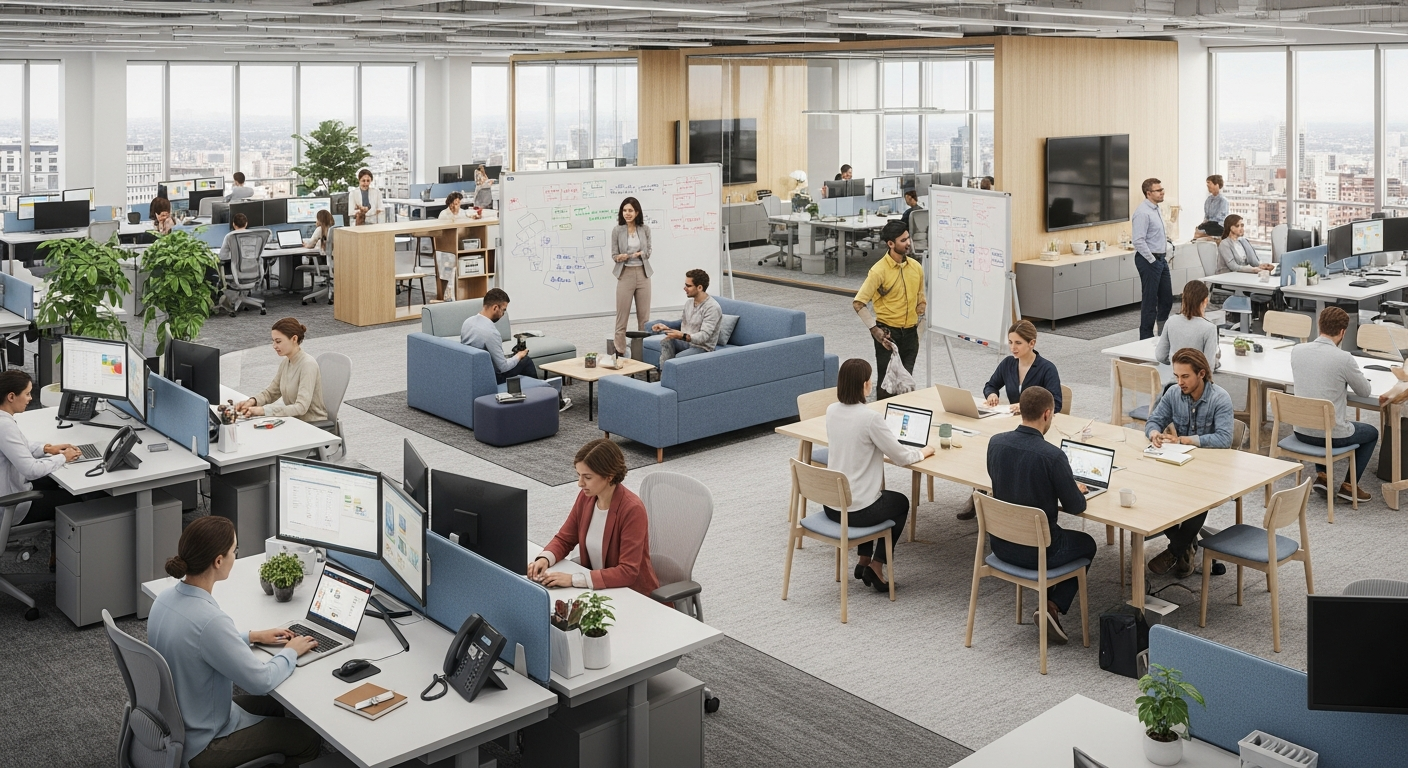
The stakes have never been higher. With office lease costs representing the second-largest expense for most organizations—often accounting for 15-20% of total operating budgets—every square foot demands justification. Meanwhile, the rise of hybrid work models has fundamentally altered how we think about space allocation, forcing leaders to reconsider assumptions that have guided workplace design for decades.
But here’s the remarkable opportunity: organizations that implement comprehensive space planning metrics typically see 20-30% reductions in real estate costs while simultaneously improving employee satisfaction scores. These aren’t just theoretical gains—they represent real competitive advantages that compound over time.
The journey toward metric-driven space planning begins with understanding what to measure, why it matters, and how to translate data into actionable insights. This guide will equip you with both the knowledge and practical framework needed to revolutionize your approach to workplace optimization.
Core Space Utilization Metrics: The Foundation of Efficient Workplaces
Space utilization rate stands as the gold standard metric in workplace analytics, yet most organizations struggle to measure it accurately. This fundamental indicator reveals the percentage of available space actively used during any given period, providing the baseline data necessary for all subsequent optimization decisions.
The target utilization rate of 75-85% isn’t arbitrary—it represents the sweet spot where space efficiency meets employee comfort and operational flexibility. Organizations operating below this range are likely overpaying for unused real estate, while those consistently above 85% may be creating cramped conditions that hinder productivity and employee satisfaction.
Understanding utilization requires distinguishing between occupancy rates and actual usage patterns. A desk might be “assigned” to an employee who works remotely three days per week, creating a significant gap between theoretical capacity and practical availability. This distinction becomes crucial when evaluating space needs, as current office space utilization statistics reveal that average utilization rates across different office configurations range from just 45-60% in traditional environments.
Peak utilization periods offer particularly valuable insights for space planning decisions. Most offices experience maximum occupancy between 10 AM and 3 PM on Tuesday through Thursday, with dramatic drops during early mornings, late afternoons, and Mondays or Fridays. These patterns suggest opportunities for flexible scheduling, shared desk arrangements, or alternative space configurations that accommodate natural workflow rhythms.
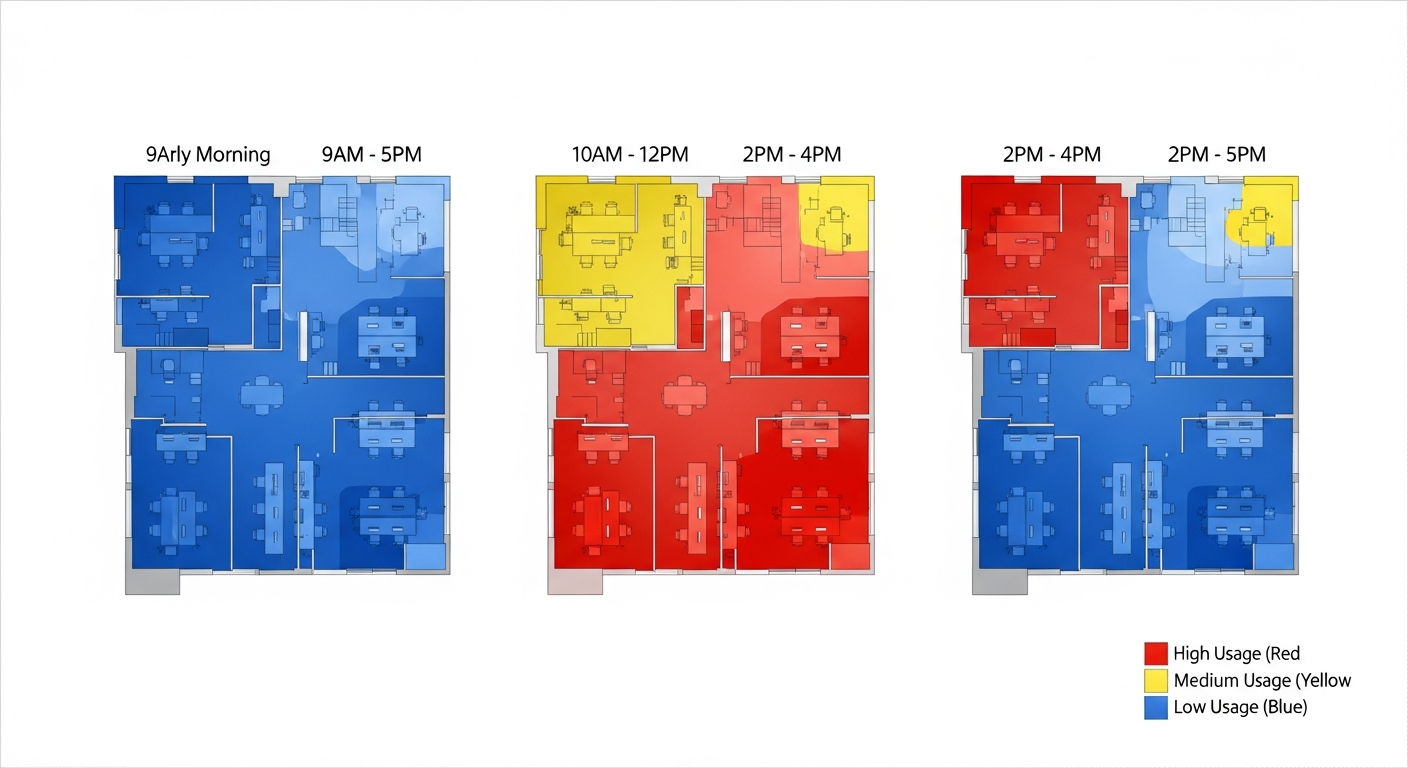
The financial impact of underutilized space extends far beyond simple square footage calculations. Consider a 50,000 square foot office space in a major metropolitan market, where average costs range from $35-65 per square foot annually. If utilization drops to 50%, the organization is effectively paying $875,000-1,625,000 annually for unused space. These numbers don’t account for utilities, maintenance, cleaning, or opportunity costs—the total waste often exceeds $2 million annually for a single underperforming location.
Modern measurement approaches have revolutionized how organizations track utilization patterns. AI-powered space planning solutions now provide real-time visibility into usage patterns, eliminating the guesswork that plagued traditional manual tracking methods. These systems can identify which areas consistently underperform, which spaces see unexpected demand, and how usage patterns shift throughout different seasons or business cycles.
Benchmark data reveals significant variations across industries and office types. Technology companies typically achieve higher utilization rates (70-80%) due to collaborative work styles and flexible policies, while traditional professional services firms often struggle with rates below 50%. Creative agencies and consulting firms fall somewhere in the middle, with rates heavily influenced by client meeting patterns and project-based work cycles.
The evolution toward activity-based working has introduced new complexity to utilization measurement. Rather than simply tracking desk occupancy, organizations must now monitor how different types of spaces—quiet work areas, collaboration zones, phone booths, social spaces—support various work activities throughout the day. This granular understanding enables more sophisticated space allocation decisions that align physical environments with actual work patterns.
Advanced utilization analytics also reveal seasonal and cyclical patterns that impact space planning strategies. Accounting firms see dramatic spikes during tax season, while retail organizations experience increased occupancy during holiday planning periods. Understanding these patterns enables organizations to optimize lease terms, plan renovations, and make capacity decisions that align with business rhythms rather than fighting against them.
Understanding utilization patterns provides the foundation for optimizing how many people can effectively work within your space, which leads us to the critical realm of density and capacity optimization.
Density and Capacity Metrics: Optimizing Space Allocation
The evolution of workplace density represents one of the most dramatic shifts in modern office design. Where organizations once allocated 250 square feet per employee in 2015, today’s standards have compressed to 125-150 square feet per person—a transformation driven not just by cost pressures, but by fundamental changes in how work gets accomplished.
This density revolution reflects deeper insights about collaboration, technology, and employee preferences. The traditional private office model assumed workers needed isolated space for concentrated work, but research consistently shows that most knowledge work benefits from access to diverse environments throughout the day. Modern density optimization focuses on providing the right mix of spaces rather than simply maximizing seats per square foot.
Seats per 1,000 square feet serves as a quick comparison metric for evaluating different buildings or floor plans. Well-designed modern offices typically accommodate 6-8 workstations per 1,000 square feet, though this varies significantly based on industry requirements and work styles. Professional services firms might target the higher end of this range, while design agencies or research organizations often prefer lower densities that provide more collaborative and creative space.
The density sweet spot requires balancing multiple competing factors: cost efficiency, employee comfort, collaboration opportunities, and future flexibility. Organizations that push density too aggressively often experience decreased productivity, increased turnover, and difficulty attracting top talent. Conversely, overly generous space allocation wastes resources that could drive business growth or employee benefits.
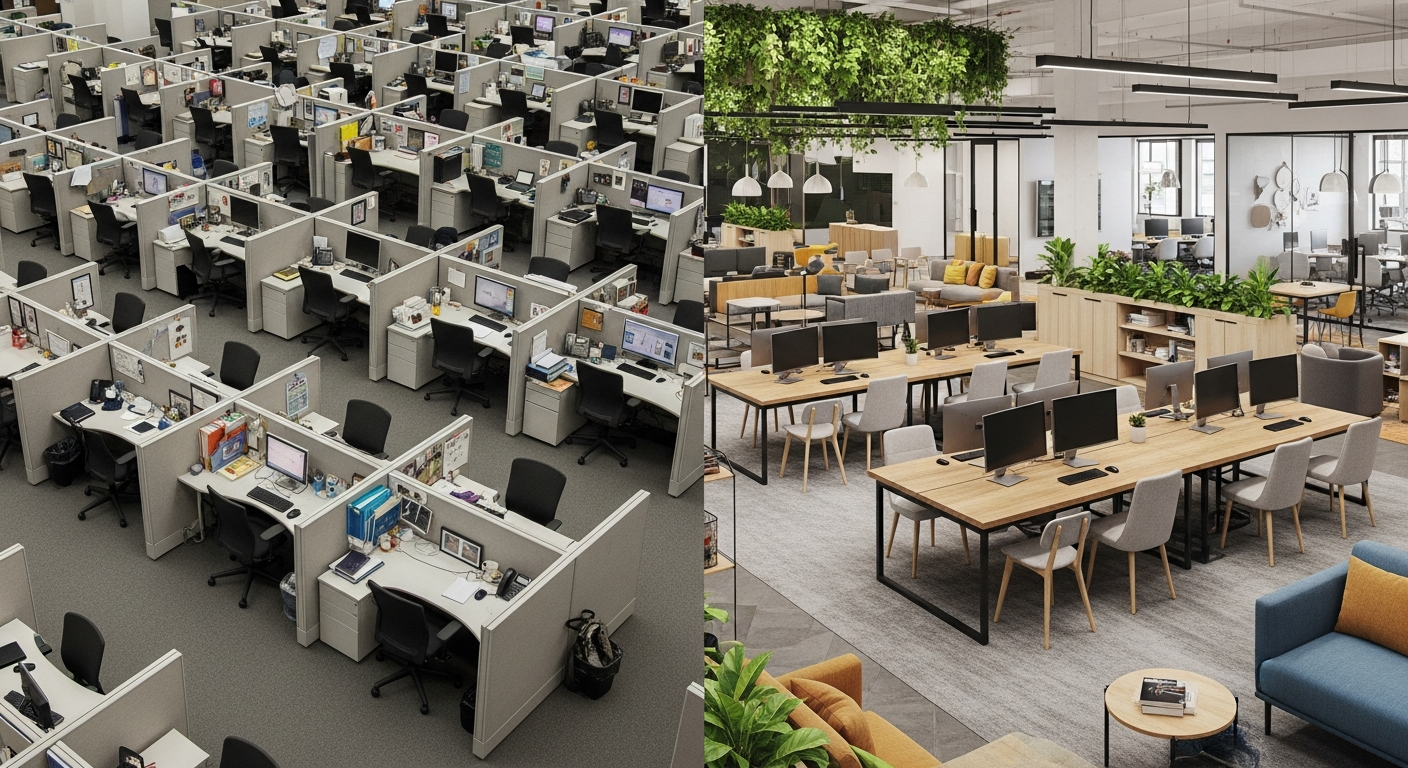
Remote work patterns have fundamentally altered density calculations and space requirements. Organizations implementing hybrid models must account for the fact that not all employees will be in the office simultaneously, enabling “desk sharing” ratios of 1.2-1.5 employees per workstation. However, this approach requires sophisticated scheduling systems and careful change management to avoid conflicts and ensure all employees have access to appropriate workspace when needed.
Future-proofing space allocation demands consideration of evolving hybrid work models and changing density needs. The most successful organizations design spaces with inherent flexibility, using modular furniture systems, adaptable infrastructure, and multi-purpose areas that can be reconfigured as needs evolve. This approach enables density optimization without requiring expensive renovations every few years.
The impact of density on collaboration, privacy, and employee satisfaction creates complex trade-offs that require careful measurement and optimization. Research on office layout design demonstrates that well-planned dense environments can actually enhance collaboration by creating more opportunities for spontaneous interaction, while poorly designed high-density spaces lead to increased stress and decreased performance.
Contemporary density strategies emphasize variety over uniformity. Rather than providing identical workstations for all employees, successful organizations create neighborhoods of different density levels. Sales teams might thrive in high-energy, dense collaborative areas, while developers prefer quieter zones with more personal space. Marketing teams often need flexible spaces that can accommodate both individual work and large group brainstorming sessions.
The relationship between density and employee experience extends beyond simple comfort preferences. Research consistently shows correlations between workspace density and key business metrics including employee retention, sick days, and productivity measures. Organizations that optimize density based on actual usage patterns and employee feedback typically see improvements across all these areas.
Technology integration plays a crucial role in density optimization success. Modern offices require robust Wi-Fi coverage, adequate power outlets, appropriate acoustics, and effective climate control—all of which become more challenging as density increases. Organizations that invest in infrastructure to support higher density often achieve better results than those that simply pack more people into existing spaces.
Density metrics also inform long-term real estate strategies. Understanding optimal density for different functions enables organizations to make informed decisions about lease renewals, expansion plans, and satellite office locations. Companies might maintain lower density in expensive downtown locations while using higher density in suburban offices, optimizing the overall portfolio for both cost and employee experience.
While density metrics tell us how much space to allocate, cost efficiency metrics reveal the true financial impact of our space planning decisions, enabling leaders to optimize real estate investments for maximum business return.
Cost Efficiency Metrics: Quantifying the Financial Impact
Cost per square foot represents the most fundamental financial metric in space planning, yet many organizations fail to calculate this figure accurately or use it strategically. True cost per square foot must include not just base rent, but utilities, maintenance, cleaning, security, technology infrastructure, and allocated overhead costs. This comprehensive calculation often reveals that actual space costs exceed lease rates by 40-60%.
Organizations typically focus on base rent comparisons when evaluating office locations, but this narrow view can lead to costly decisions. A building with lower base rent might have higher utility costs, limited technology infrastructure, or expensive parking requirements that make it less cost-effective overall. Comprehensive cost analysis considers the total cost of occupancy, providing a more accurate foundation for space decisions.
Cost per employee provides the most meaningful metric for business leaders, translating abstract square footage calculations into concrete per-person expenses that can be compared against other business investments. In major metropolitan markets, total annual cost per employee typically ranges from $8,000-15,000, representing a significant business expense that demands optimization and oversight.
Operating expenses as percentage of revenue provides crucial context for space costs within overall business performance. High-growth companies might accept higher space costs if they support accelerated hiring and market expansion, while mature organizations typically target space costs below 10-12% of revenue. This metric enables leaders to optimize space investments within broader business strategy rather than simply minimizing costs.
Hidden costs of inefficient space create financial impacts that extend far beyond obvious real estate expenses. Underutilized conference rooms require cleaning, climate control, and maintenance whether they’re used or empty. Oversized common areas need furniture, lighting, and ongoing upkeep. These hidden costs often add 20-30% to base space expenses, making efficiency optimization even more financially compelling.
The ROI of space optimization can be calculated and tracked like any other business investment. Organizations implementing comprehensive space planning metrics typically see returns of 200-400% within the first year through reduced real estate footprint, improved utilization, and enhanced productivity. According to Cresa’s analysis of new KPIs in commercial real estate, companies that adopt data-driven space planning strategies achieve measurably superior financial performance compared to those using traditional approaches.
Comparative cost analysis enables informed decision-making when evaluating multiple sites or buildings using standardized metrics. Rather than comparing only lease rates, sophisticated analysis considers factors like commute costs for employees, access to public transportation, parking expenses, and local amenities that impact recruitment and retention. These broader considerations often reveal that higher-cost locations deliver superior value when evaluated holistically.
Space cost allocation by business function provides insights into how different teams utilize and justify their space investments. Sales teams might generate $5-10 of revenue for every dollar of space cost, while administrative functions might focus on operational efficiency metrics. Understanding these relationships enables leaders to allocate space strategically based on business impact rather than simply dividing space equally.
The emergence of flexible workspace solutions has introduced new cost optimization opportunities and challenges. Organizations can reduce fixed real estate costs by utilizing coworking spaces, flexible lease terms, or short-term office rentals for project teams or temporary expansion. However, these solutions often carry higher per-square-foot costs, making them effective only when usage patterns justify the premium.
Long-term financial planning must consider how space costs evolve over lease terms and business cycles. Rent escalations, market appreciation, and changing space needs can dramatically impact total cost of ownership over time. Organizations that model these factors proactively can negotiate more favorable terms and make strategic decisions about lease renewals, relocations, or ownership options.
The relationship between space costs and employee productivity creates complex value calculations that extend beyond simple financial metrics. Research shows how automated planning tools can optimize cost efficiency while simultaneously improving workplace functionality and employee satisfaction—demonstrating that cost optimization doesn’t require sacrificing other business objectives.
Beyond the numbers, the ultimate measure of workspace success lies in how effectively the space supports the people who work within it, bringing us to the critical realm of employee experience and productivity metrics.
Employee Experience and Productivity Metrics: The Human Factor
Employee satisfaction scores provide the most direct measurement of how well office space serves its primary purpose: enabling people to do their best work. Companies with robust workplace measurement systems report 45% higher satisfaction scores compared to those relying on annual surveys or informal feedback. This improvement isn’t just about comfort—it translates directly into measurable business outcomes including reduced turnover, improved recruiting success, and enhanced productivity.
The correlation between workspace quality and employee satisfaction has never been stronger. Modern workers, particularly those in competitive talent markets, view office environment as a key factor in job satisfaction and company loyalty. Organizations that systematically measure and optimize workplace experience often see employee retention rates improve by 15-25%, representing substantial savings in recruitment and training costs.
Collaboration frequency and effectiveness metrics reveal how space design facilitates or hinders teamwork. Advanced measurement systems can track how often employees interact in different areas, how long collaborative sessions last, and whether teams achieve productive outcomes from their workspace interactions. This granular data enables organizations to optimize meeting room allocation, collaborative space design, and neighborhood configurations that support natural work patterns.
The measurement of collaboration extends beyond simple headcounts to include qualitative assessments of interaction effectiveness. Teams working in well-designed collaborative environments report higher project satisfaction, faster decision-making, and more innovative outcomes compared to those in poorly configured spaces. These improvements can be tracked through project completion times, quality metrics, and team feedback surveys that connect workspace features to business results.
Sick days and wellness indicators demonstrate the profound connection between space quality and employee health. Organizations that invest in air quality monitoring, ergonomic furniture, and biophilic design elements typically see 10-20% reductions in sick leave usage. When calculated across an entire workforce, these health improvements often justify significant workspace investments purely from reduced healthcare costs and improved attendance.

Office versus remote work time patterns provide crucial insights into how space influences work location preferences. Employees gravitate toward offices that provide genuine value—environments that enable better collaboration, access to resources, or social connection that they can’t replicate at home. Organizations that track these preferences can optimize their physical workspace to become a destination rather than an obligation.
Space-related productivity metrics quantify the impact of environment on work output through various measurable indicators. Teams working in optimized environments typically show improvements in project completion rates, quality scores, and innovation metrics. While isolating the space factor from other variables requires careful analysis, the correlation between thoughtful workspace design and enhanced performance is consistently demonstrable.
The business case for employee-centric metrics becomes compelling when linked to retention, recruitment, and performance outcomes. High-performing employees have choices about where to work, and organizations with superior workplace experiences enjoy significant advantages in talent competition. The cost of replacing a skilled employee often exceeds $50,000-100,000 when including recruitment, training, and productivity losses during transition periods.
Employee feedback systems have evolved beyond simple satisfaction surveys to include real-time input mechanisms that enable continuous workspace optimization. Digital feedback tools allow employees to report issues, suggest improvements, and rate different areas in real-time, creating dynamic datasets that inform ongoing space management decisions. This approach transforms workplace optimization from periodic adjustments to continuous improvement processes.
The measurement of workspace accessibility and inclusivity represents an increasingly important dimension of employee experience metrics. Organizations must track how well their spaces serve employees with diverse needs, work styles, and physical requirements. Inclusive design isn’t just about compliance—it creates better environments for all employees while expanding talent pool accessibility.
Generational differences in workspace preferences create additional complexity in measuring and optimizing employee experience. While younger workers might prioritize collaborative spaces and social amenities, experienced professionals often value privacy and focused work environments. Successful organizations measure satisfaction across demographic segments to ensure their spaces serve diverse needs effectively.
The integration of technology in workspace experience measurement has revolutionized how organizations understand employee needs and preferences. Modern workplace design approaches incorporate sensors, mobile apps, and analytics platforms that provide continuous insight into how employees interact with their physical environment, enabling data-driven optimization that would be impossible through traditional survey methods alone.
Understanding what to measure is only half the equation; the real transformation comes from how we collect and act on this data, leading us to explore the technological evolution that’s revolutionizing workspace analytics.
From Manual Tracking to Automated Intelligence: The Future of Metrics
The traditional approach to space planning metrics relied on manual data collection, periodic surveys, and fragmented insights that quickly became outdated in dynamic workplace environments. Facilities managers armed with clipboards and spreadsheets could only capture snapshots of utilization patterns, often missing critical trends and seasonal variations that drive optimal space decisions. This reactive approach left organizations constantly playing catch-up with evolving space needs.
The limitations of manual tracking extend far beyond inconvenience. Human observation introduces bias, inconsistency, and significant time costs that make comprehensive measurement prohibitively expensive. A facilities team might survey space utilization once per quarter, missing daily and weekly patterns that reveal optimization opportunities. Meanwhile, employee feedback collected through annual surveys provides insights that are months old by the time decisions can be implemented.
Modern automated measurement systems represent a fundamental transformation in how organizations understand their workspace performance. Advanced sensor networks, integrated analytics platforms, and real-time dashboards provide continuous insight into space utilization, environmental conditions, and employee interaction patterns. These systems can track complex metrics like collaboration patterns, movement flows, and space effectiveness without requiring human intervention or disrupting daily operations.
The speed advantage of automated systems enables organizations to shift from reactive to proactive space management. Real-time metrics allow facilities teams to identify and address issues within days rather than quarters, optimizing space configurations based on actual usage patterns rather than assumptions. When utilization drops in specific areas, automated alerts can prompt immediate investigation and adjustment rather than waiting for the next planning cycle.
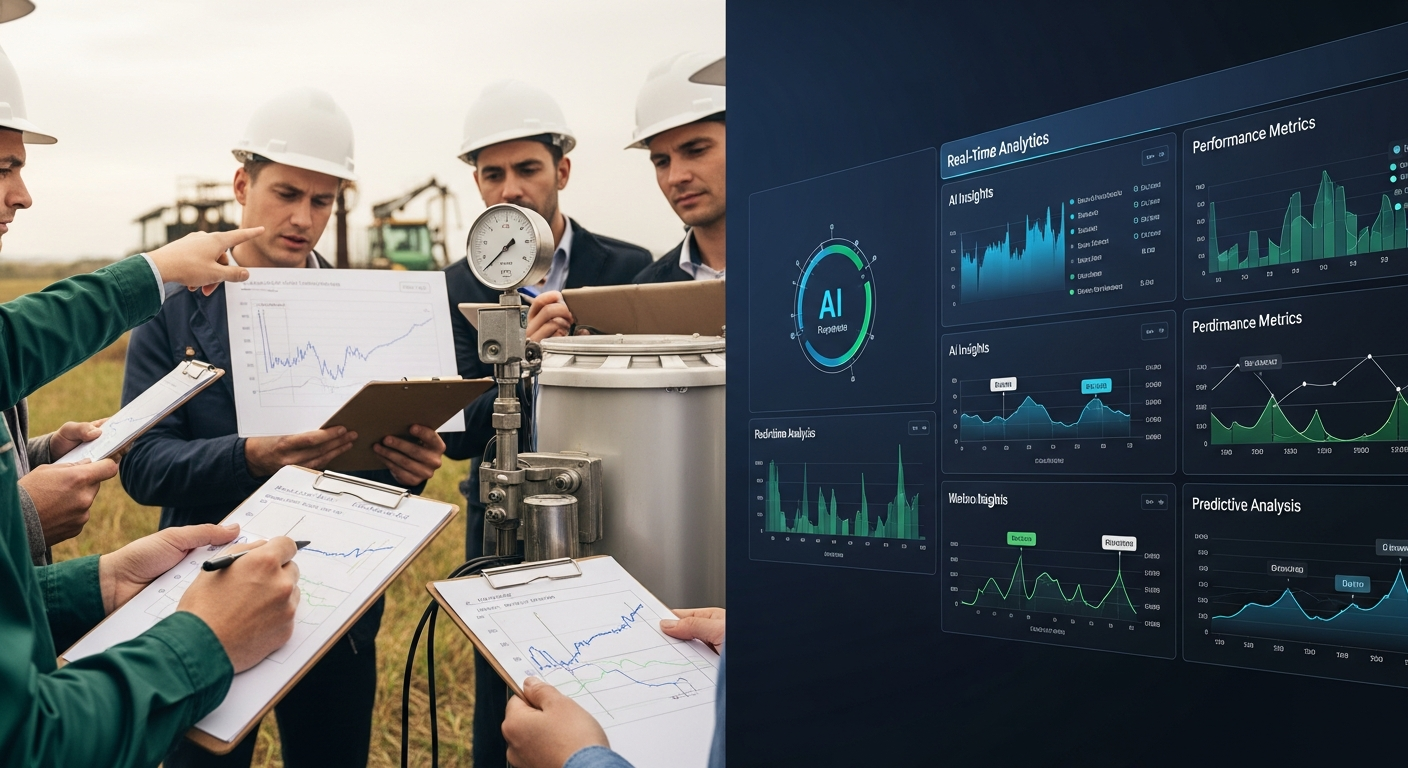
Integration benefits emerge when space metrics connect with broader business performance data to create holistic insights. Modern platforms can correlate space utilization with productivity metrics, employee satisfaction scores, and business outcomes to demonstrate the true impact of workspace investments. This integration enables organizations to optimize space not just for efficiency, but for measurable business results.
The elimination of human error represents another significant advantage of automated measurement systems. Manual data collection is prone to inconsistencies, missed observations, and subjective interpretations that can lead to suboptimal decisions. Automated sensors provide consistent, objective data that enables confidence in space planning decisions and eliminates disputes about usage patterns or space needs.
Predictive analytics capabilities are transforming space planning from reactive optimization to proactive strategy development. AI-powered systems can analyze historical patterns, seasonal trends, and business projections to forecast future space needs and recommend optimization strategies before problems emerge. Modern space management approaches leverage machine learning algorithms to identify patterns and opportunities that would be impossible to detect through manual analysis.
The granularity of automated data collection enables optimization at levels previously impossible with manual methods. Rather than tracking general occupancy rates, automated systems can measure specific behaviors like collaboration duration, meeting effectiveness, and individual work patterns that inform sophisticated space allocation decisions. This detailed understanding enables micro-optimizations that compound into significant improvements over time.
Privacy and security considerations have evolved alongside measurement technology capabilities. Modern systems can provide detailed utilization insights while protecting individual privacy through anonymization, aggregation, and secure data handling practices. Organizations can gain valuable workforce insights without compromising employee privacy or creating surveillance concerns that might impact workplace culture.
The cost justification for automated measurement systems becomes compelling when compared to the ongoing expenses and limitations of manual approaches. While initial technology investments might seem significant, the labor savings, improved decision-making, and optimization opportunities typically generate positive returns within 12-18 months. Organizations that implement comprehensive automated systems often discover optimization opportunities that exceed the technology costs within the first year.
Future trends in workspace analytics point toward even more sophisticated AI-driven insights and optimization recommendations. Machine learning algorithms will increasingly provide specific recommendations for space reconfiguration, predict optimal layouts for different business scenarios, and automatically adjust environmental controls based on usage patterns. Innovative workspace design tools are already demonstrating how AI can transform traditional planning processes into dynamic, responsive systems that continuously optimize workspace performance.
The competitive advantage of automated measurement extends beyond internal optimization to include better real estate decisions, more effective lease negotiations, and superior workplace experiences that attract and retain top talent. Organizations that master automated workspace analytics position themselves for sustained competitive advantages in the evolving business landscape.
With a clear understanding of essential metrics and modern measurement approaches, the next step is implementing a systematic framework for tracking and optimization that transforms data into actionable business results.
Implementation Framework: Your Roadmap to Metric-Driven Space Planning
Phase 1 of implementing comprehensive metric tracking begins with establishing baseline measurements and identifying key performance indicators that align with your organization’s specific goals and constraints. This foundational phase requires careful assessment of current space utilization patterns, cost structures, and employee satisfaction levels to create a clear starting point for optimization efforts.
The baseline measurement process should encompass all core metrics discussed throughout this guide: space utilization rates, density figures, cost per employee calculations, and employee satisfaction scores. However, organizations must resist the temptation to measure everything simultaneously. Instead, successful implementations prioritize 3-5 key metrics that directly impact business objectives and gradually expand measurement capabilities as systems mature and organizational comfort with data-driven decision-making grows.
Identifying the right KPIs requires close collaboration between facilities management, human resources, finance, and business leadership teams. Each stakeholder group brings different perspectives on what constitutes successful workspace performance, and the most effective metric frameworks balance operational efficiency with employee experience and business outcomes. This collaborative approach ensures measurement systems generate insights that drive actual business decisions rather than simply producing reports that sit unused.
Phase 2 focuses on setting up automated data collection systems and integration protocols that eliminate manual tracking limitations while providing reliable, consistent measurement capabilities. This phase typically involves evaluating sensor technologies, software platforms, and analytics tools that fit within existing IT infrastructure and security requirements while delivering the granular insights needed for optimization.
The technology selection process must consider not just current measurement needs, but future expansion possibilities and integration requirements. Organizations that choose flexible, scalable platforms can gradually add new measurement capabilities and integrate additional data sources as their sophistication and confidence with workspace analytics grows. This approach avoids costly system replacements and enables continuous improvement in measurement capabilities.
Implementing modern office layout planning approaches demonstrates how automated systems can transform traditional space planning workflows from time-intensive manual processes to streamlined, data-driven optimization cycles. Organizations can move from planning cycles measured in months to optimization adjustments implemented in days or weeks.
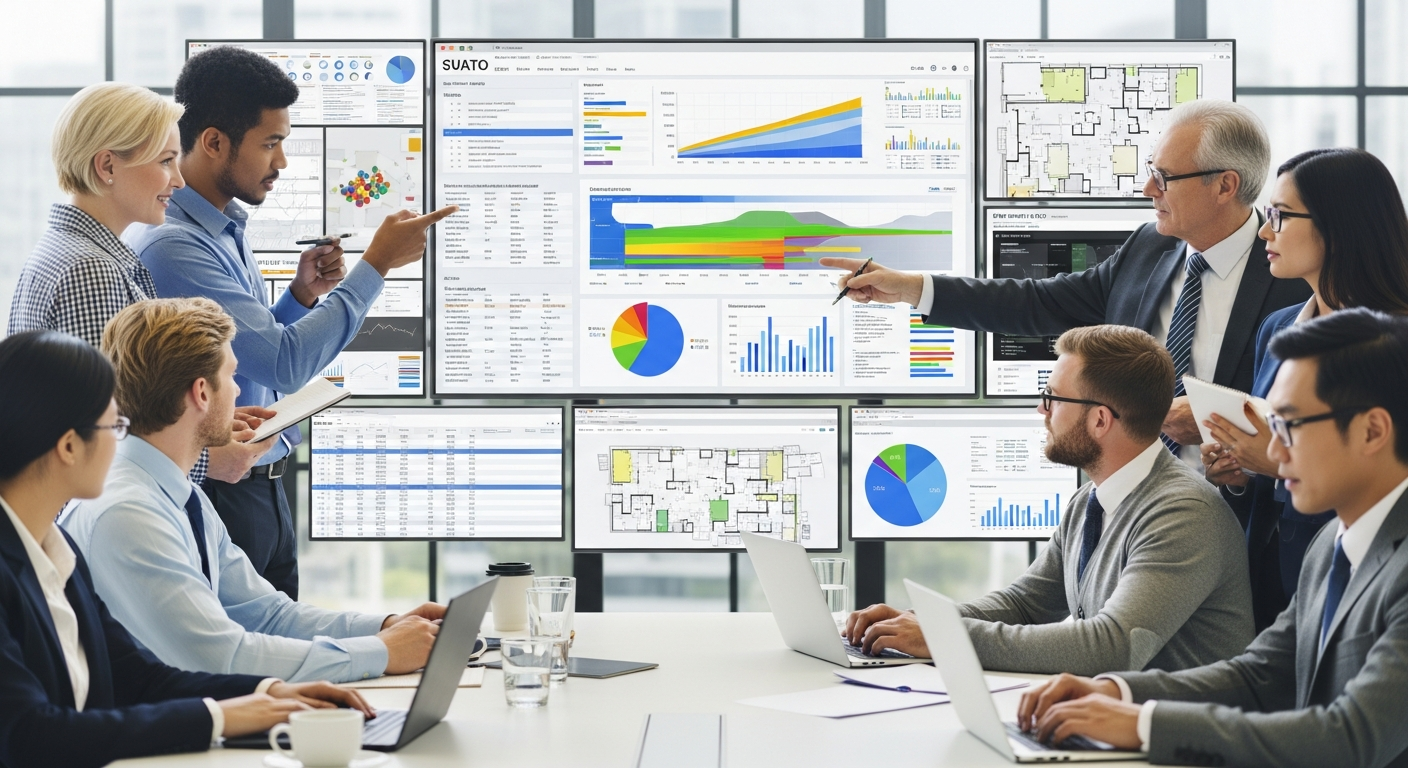
Phase 3 involves creating actionable dashboards and reporting frameworks that translate raw measurement data into insights that drive decision-making across different organizational levels. Executive dashboards might focus on high-level cost efficiency and employee satisfaction trends, while facilities teams need detailed utilization patterns and operational metrics that inform day-to-day space management decisions.
The dashboard design process requires careful consideration of how different users will consume and act on workspace data. Sales leaders might need visibility into how space allocation supports team performance, while CFOs focus on cost optimization opportunities and ROI metrics. Successful dashboard implementations provide role-specific views that deliver relevant insights without overwhelming users with unnecessary detail.
Phase 4 implements optimization strategies based on metric insights, moving beyond measurement to actual space improvements that drive measurable business results. This phase requires systematic approaches to testing space modifications, measuring impact, and scaling successful optimizations across the organization. The most effective implementations treat space optimization as an ongoing process rather than a one-time project.
Common implementation challenges include resistance to data-driven decision-making, technology integration difficulties, and overwhelming stakeholders with too much information too quickly. Successful organizations address these challenges through careful change management, phased rollouts that demonstrate value before expanding scope, and clear communication about how metrics support rather than replace human judgment in space planning decisions.
Building organizational buy-in for data-driven space planning decisions requires demonstrating clear connections between metrics and business outcomes that stakeholders care about. Rather than leading with technical capabilities or measurement sophistication, effective implementations focus on how workspace analytics solve specific business problems like excessive real estate costs, low employee satisfaction, or inefficient collaboration.
The most successful implementations also establish clear governance frameworks that define how metrics will be used in decision-making processes, who has authority to make space modifications based on data insights, and how success will be measured and communicated throughout the organization. This governance approach ensures metrics drive consistent, coordinated optimization efforts rather than creating conflicts between different stakeholder groups.
Training and support systems enable organizations to maximize value from their measurement investments by ensuring all stakeholders understand how to interpret and act on workspace data. This includes technical training for facilities teams, executive briefings for leadership, and user education for employees whose work might be impacted by space optimization initiatives.
Understanding how workspace planning challenges impact different industries provides valuable context for implementation planning, demonstrating how measurement and automation solve real-world planning challenges across various organizational types and business models.
Long-term success with metric-driven space planning requires organizations to view implementation as an ongoing journey rather than a destination. As business needs evolve, workforce patterns change, and technology capabilities expand, measurement systems must adapt to provide continued value and insights that support organizational growth and adaptation.
Armed with comprehensive knowledge of essential metrics and proven implementation strategies, the transformation of your space planning approach begins now, positioning your organization for sustained competitive advantage through optimized workplace performance.
Transforming Space Planning Through Data-Driven Excellence
Office space planning metrics are no longer nice-to-have data points; they’re essential tools for competitive advantage in today’s efficiency-driven business environment. The organizations that thrive in the coming decade will be those that embrace comprehensive measurement systems, moving beyond intuition and tradition to make space decisions based on concrete evidence and measurable outcomes.
From fundamental utilization rates that reveal hidden cost savings opportunities to sophisticated employee experience indicators that drive talent retention, these metrics transform real estate decisions from guesswork into strategic investments with demonstrable returns. The financial impact alone—with leading organizations achieving 20-30% reductions in space costs while improving employee satisfaction—makes metric adoption a business imperative rather than a operational nicety.
The technological revolution in workspace analytics has eliminated the barriers that once made comprehensive measurement prohibitively expensive and logistically challenging. Automated measurement systems now provide real-time insights into space performance, enabling optimization decisions within days rather than quarters and revealing patterns that would be impossible to detect through manual approaches.
Perhaps most importantly, metric-driven space planning recognizes that workplace optimization isn’t just about reducing costs—it’s about creating environments where both business performance and employee satisfaction reach new heights. The most successful organizations use workspace analytics to build competitive advantages in talent attraction, retention, and productivity that compound over time.
The implementation framework provided in this guide offers a practical pathway for organizations at any stage of their workspace analytics journey. Whether you’re establishing baseline measurements for the first time or expanding existing systems to include predictive analytics, the systematic approach outlined here enables steady progress toward optimized workplace performance.
The evidence is overwhelming: organizations that master workspace metrics consistently outperform their peers across multiple business dimensions. They make better real estate decisions, create more satisfying employee experiences, and position themselves for sustained success in an increasingly competitive business landscape.
The transformation begins with the first measurement, but the real value emerges through consistent application of data-driven insights to create workplaces that truly serve business objectives and human needs. The tools, frameworks, and knowledge needed for this transformation are available today—the only question is when your organization will begin capturing these competitive advantages.
Ready to transform your space planning approach from reactive to predictive? qbiq’s automated architectural services make implementing these metrics effortless, providing instant insights into space utilization, cost optimization, and employee experience. Discover how leading organizations are achieving measurable workplace improvements with data-driven space planning. Explore qbiq’s capabilities and see your space’s potential realized in minutes, not months.






.png)


